Alcoa
Finding high-leverage efficiency gains at Alcoa
Project Engineer
- When
- 2005–2006
- Organisation
- Alcoa
- Setting
- Point Henry smelter
- Focus
- Energy-efficiency projects
The mandate
Improve efficiency without relying on major capital
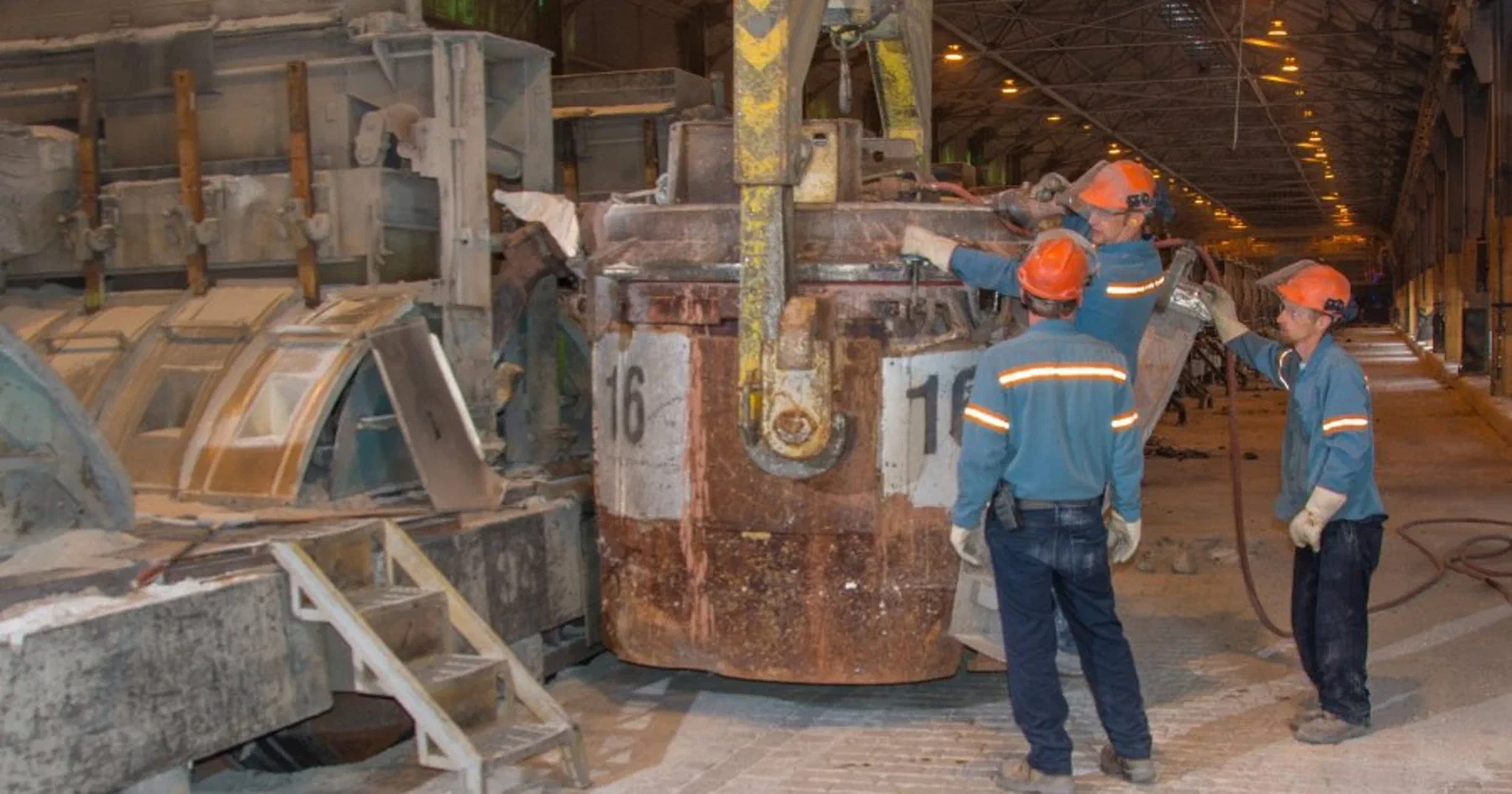
Identify and deliver practical changes to carbon anode stubs that reduced electrical losses while fitting the constraints of a live aluminium smelter.
Selected outcomes
Evidence of progress
- Low capex
- Improvement designed around existing assets
- Energy
- Electrical transmission efficiency focus
- Live plant
- Delivery under operating constraints
How the work was approached
From intent to operating capability
Define the loss precisely
Engineering analysis and troubleshooting focused the project on a specific, measurable source of electrical inefficiency.
Design for practical delivery
The solution balanced technical benefit with capital limits, site access and the need to avoid unnecessary disruption.
Build capability while delivering
Graduate engineers and tradespeople were coordinated through clear milestones and practical problem-solving.
Work delivered
What changed in practice
- Delivered electrical energy-efficiency improvements in the anode-stub system.
- Generated financial benefit through a targeted intervention.
- Developed early experience leading cross-functional industrial projects.
Perspective
Large industrial gains do not always require large projects. Precise problem definition and disciplined execution can make modest capital work much harder.