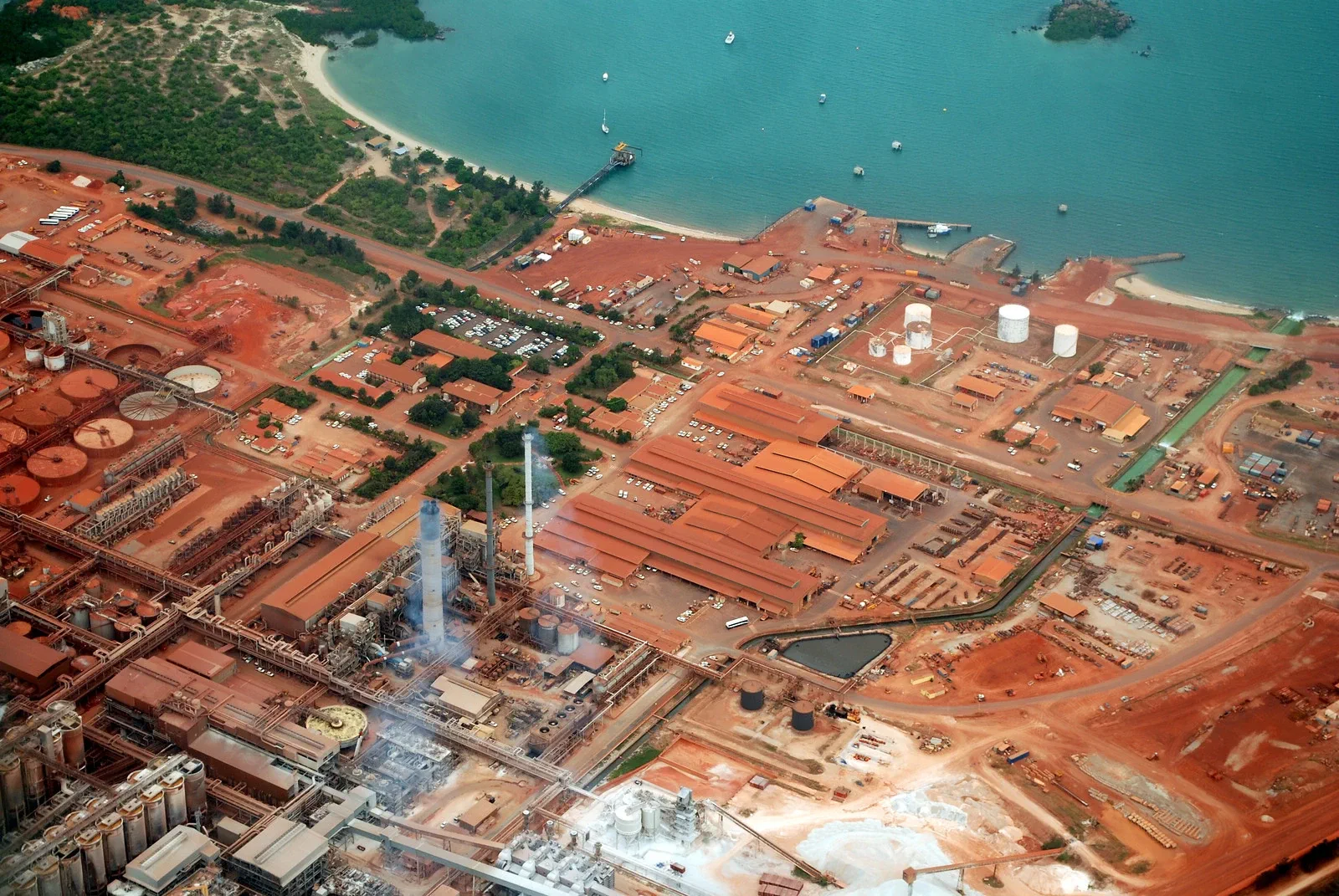
Rio Tinto · Gove Alumina Refinery
Rio Tinto Refinery Energy Efficiency
A refinery-wide improvement effort that treated energy as part of the production system, delivering lower consumption alongside demanding operating targets.
- When
- 2010–2012
- Who
- Rio Tinto Gove operations
- Project status
- Operational improvement delivered
- Michael's role
- Shift coordination and improvement leadership
The purpose
Why the work mattered
Energy is a major input to alumina refining, but savings cannot come at the expense of throughput, stability or product quality. The program focused attention on heat transfer and integration opportunities that improved the refinery as a whole.
What changed
Results built to last
- 15%
- Documented refinery energy-efficiency improvement
- $1.1b
- Annual production value coordinated in operations
- Refinery wide
- Improvement considered connected process systems
- Data led
- Priorities shaped through loss and root-cause analysis
The challenge
Define the real constraint
The work
Turn intent into delivery
From idea to impact
Make the change endure
Perspective
Why this project matters
A fifteen per cent energy saving is a permanent reduction in what the refinery takes from the environment, achieved without asking anyone to produce less. Gains of that kind belong to the whole workforce, because they come from operators, tradespeople and engineers being trusted with the reasoning rather than handed instructions. Sharing understanding openly is what turns an improvement into a culture that keeps improving.