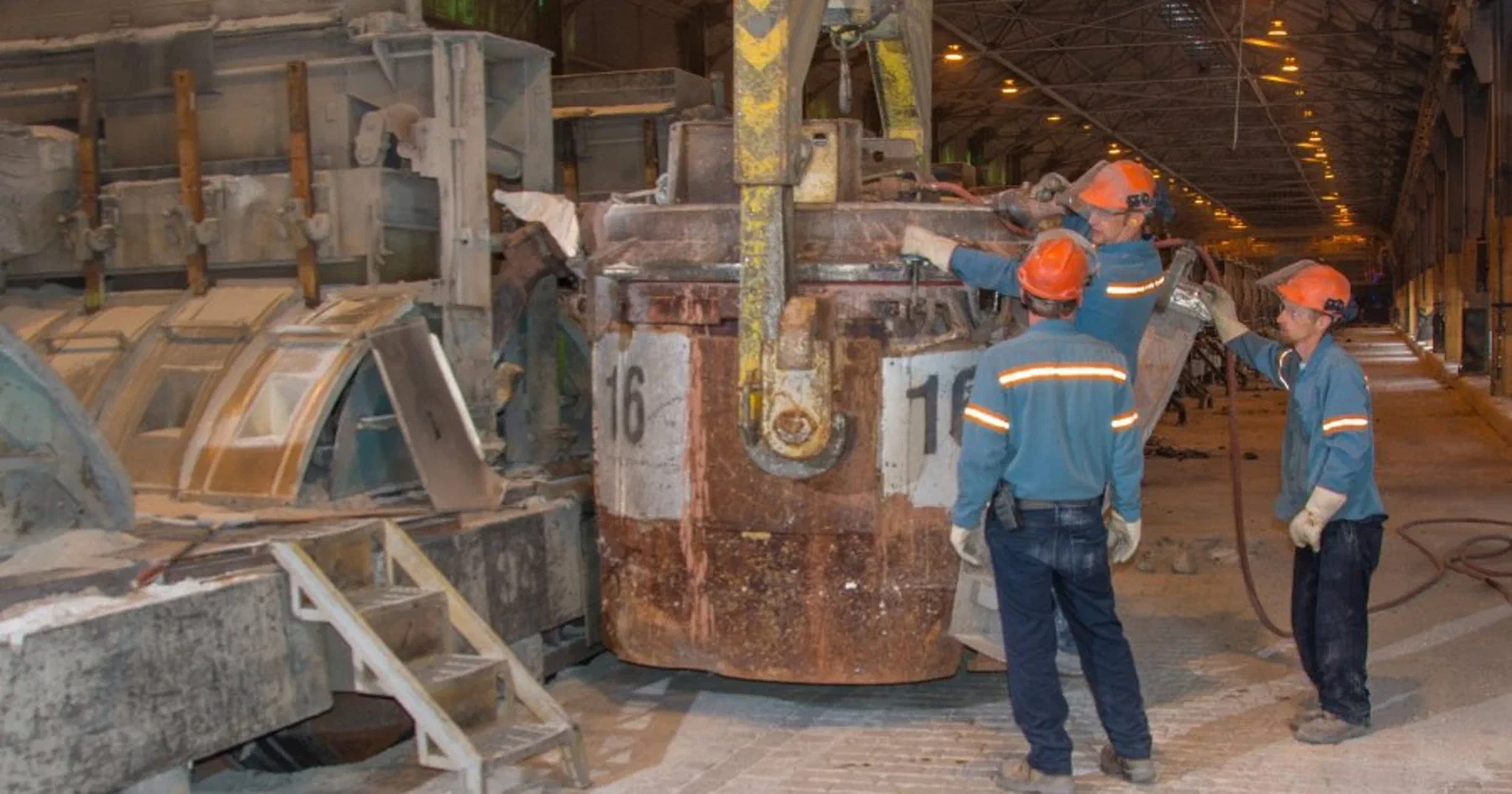
Alcoa · Point Henry Aluminium Smelter
Alcoa Anode-Stub Efficiency Upgrade
A precise intervention in the anode system that improved electrical performance while respecting the cost and disruption constraints of a live smelter.
- When
- 2005–2006
- Who
- Alcoa World Aluminium Australia
- Project status
- Upgrade delivered
- Michael's role
- Project engineering and team leadership
The purpose
Why the work mattered
Electrical losses in carbon-anode stubs represented an opportunity to reduce operating cost and energy demand. The project sought a practical improvement without relying on major capital or disrupting production.
What changed
Results built to last
- Low capex
- Solution designed around existing smelter assets
- Energy
- Electrical transmission efficiency improved
- Delivered
- Project moved from analysis into implementation
- Live smelter
- Work completed under operating constraints
The challenge
Define the real constraint
The work
Turn intent into delivery
From idea to impact
Make the change endure
Perspective
Why this project matters
Every kilowatt saved in a smelter is energy that never has to be generated, and emissions that are never released. Choosing the careful, low-capital intervention over the large one respects the resources already committed and the communities that live alongside heavy industry. Restraint and precision are engineering values, not just engineering methods.